
Optimal Timing for Pavers Service
Scheduling pavers service at optimal times ensures long-lasting results and minimizes disruptions. The ideal periods typically align with mild weather conditions, avoiding extreme heat or cold that can affect materials and installation quality.
Spring offers moderate temperatures and lower humidity, making it ideal for paver installation and repairs. It allows ample time for settling and curing before summer heat.
Fall provides cooler weather and less rainfall, suitable for sealing and repairs. It prepares pavers for winter conditions and extends their lifespan.
High temperatures in summer can cause pavers to expand and contract, leading to potential cracking. Scheduling during cooler months prevents these issues.
In colder months, freeze-thaw cycles can damage pavers. It is best to avoid major work during winter unless conditions are mild and dry.
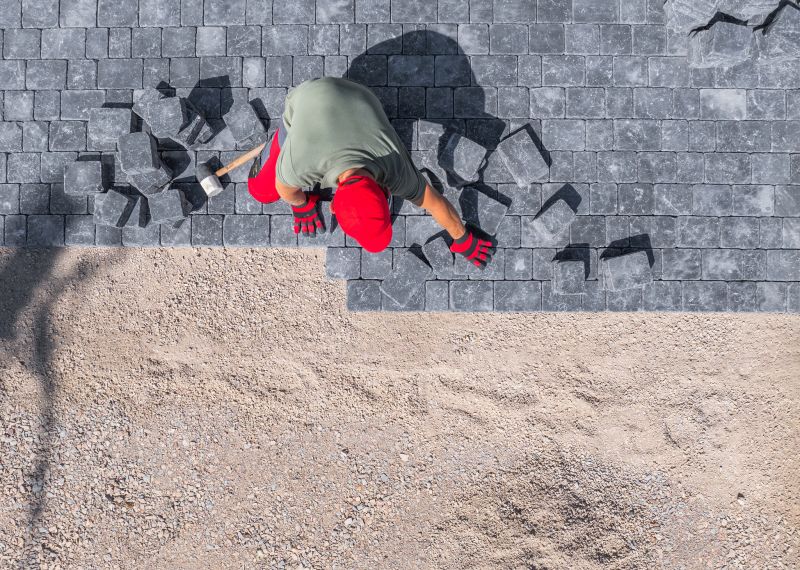
Professional pavers work during spring to ensure proper installation before summer.
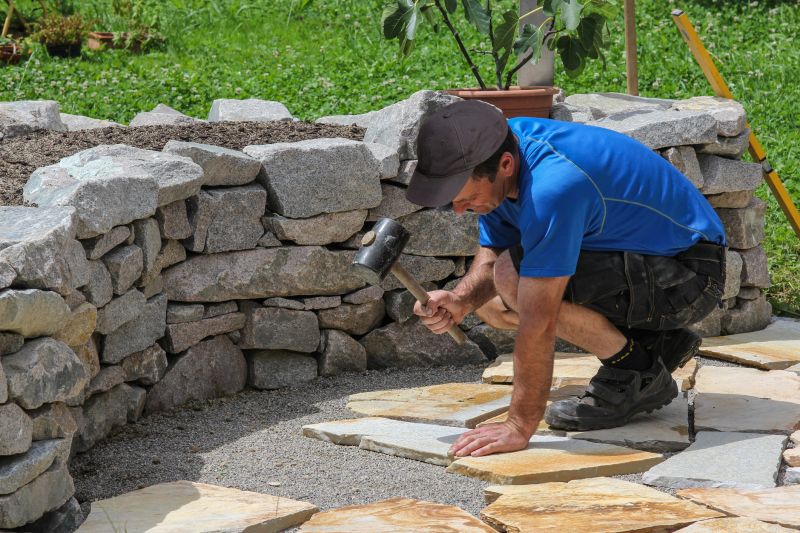
Fall is suitable for sealing and repairs to prepare for winter.
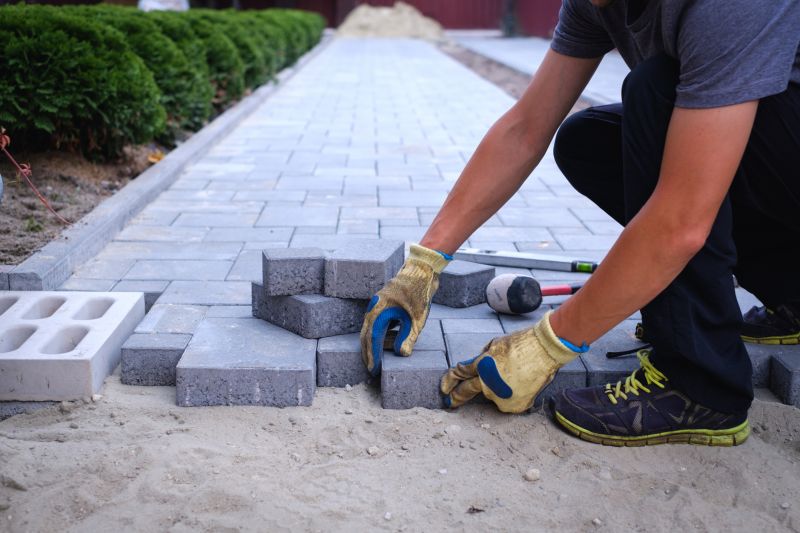
Extreme heat can affect paver work, so scheduling in cooler months is recommended.
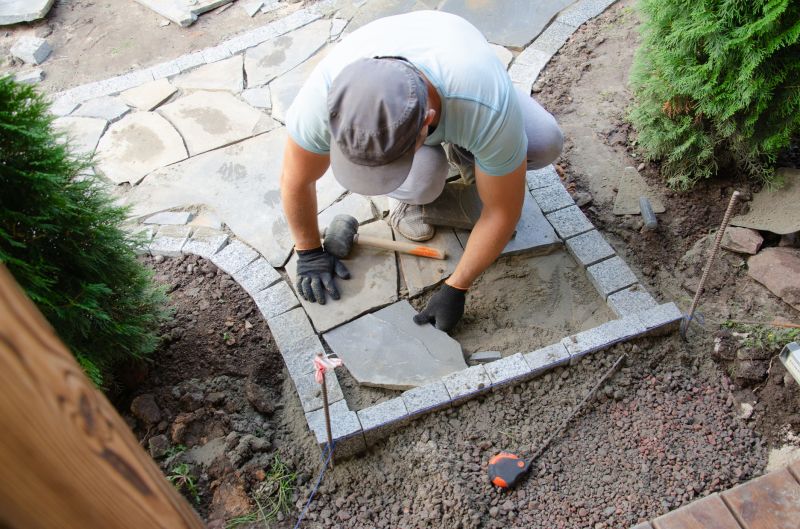
Avoid major paver projects during winter to prevent damage from freeze-thaw cycles.
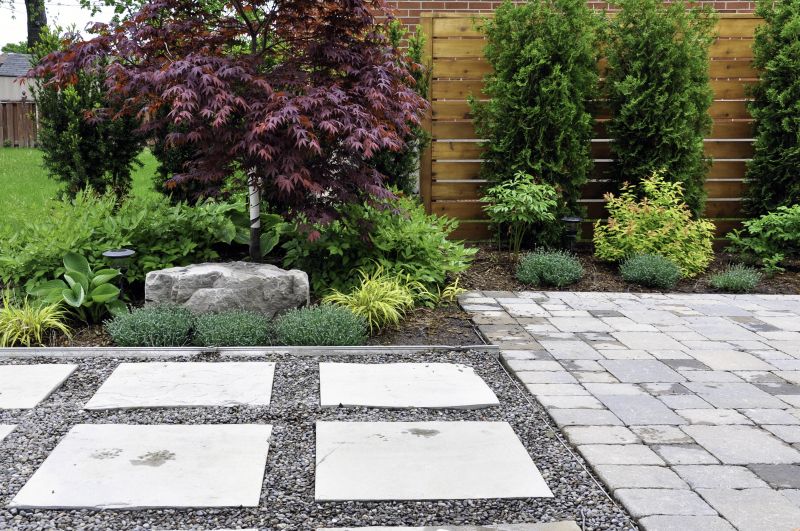
Ways to make Pavers Service work in tight or awkward layouts.
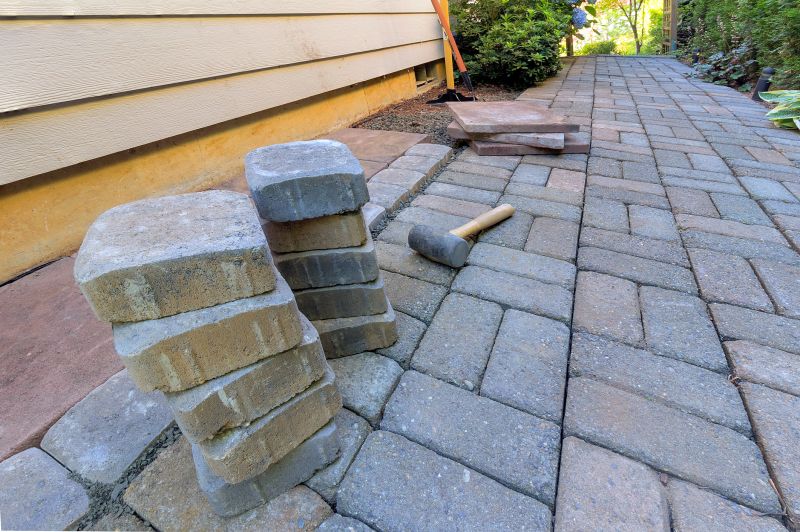
Popular materials for Pavers Service and why they hold up over time.
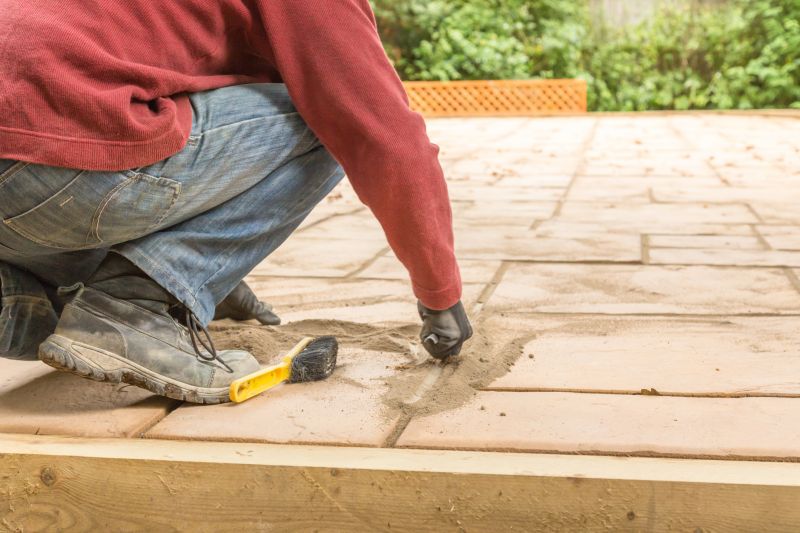
Simple add-ons that improve Pavers Service without blowing the budget.
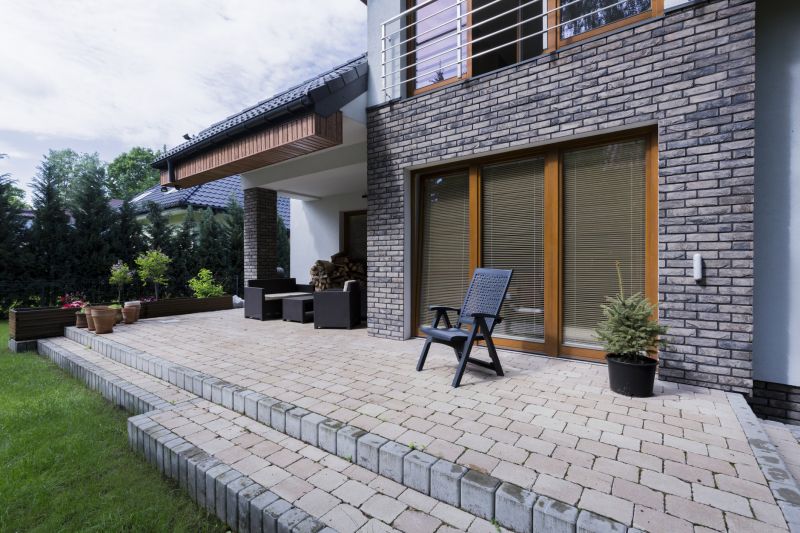
High-end options that actually feel worth it for Pavers Service.
| Season | Best Practices |
|---|---|
| Spring | Ideal for installation and repairs; moderate weather. |
| Summer | Avoid peak heat; schedule early morning or late evening. |
| Fall | Great for sealing and maintenance before winter. |
| Winter | Minimize work; avoid freeze-thaw conditions. |
Pavers service involves several key processes including installation, sealing, repair, and maintenance. Proper timing ensures materials set correctly and reduces the risk of damage caused by weather fluctuations. Regular maintenance during suitable seasons extends the lifespan of pavers and maintains their appearance.
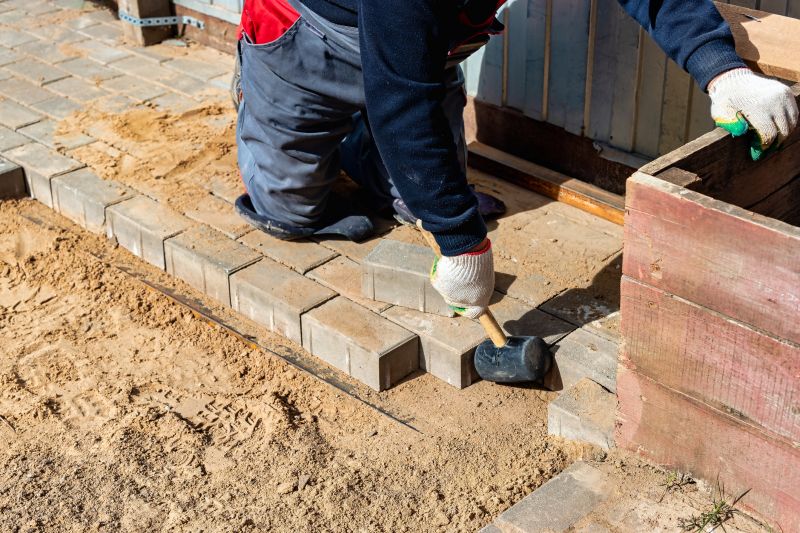
Performed during optimal weather to ensure durability and proper setting.
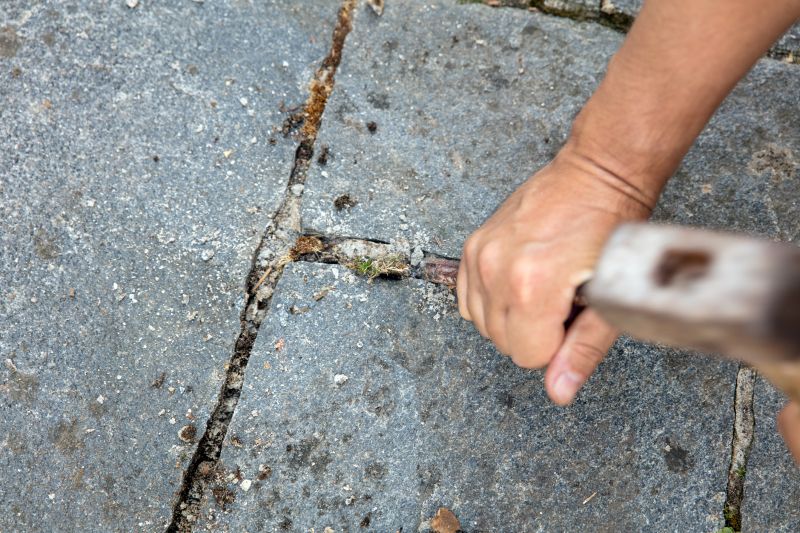
Best completed in fall or spring to protect against weather-related damage.
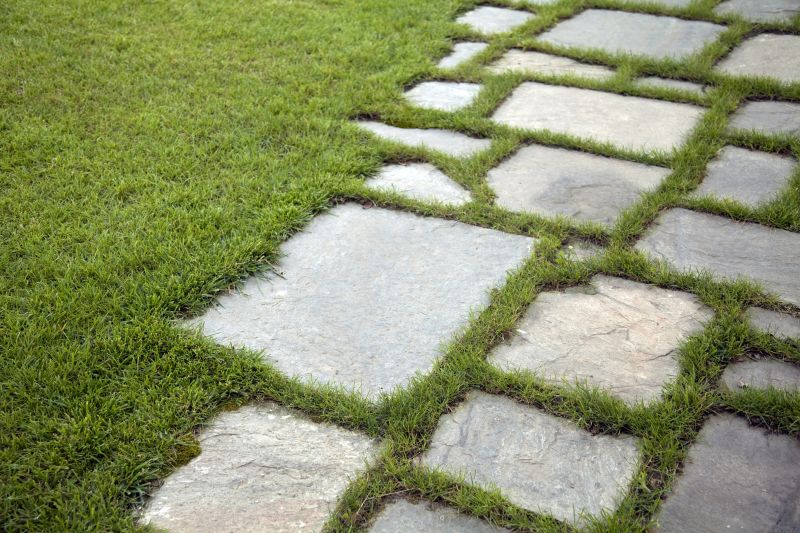
Scheduled to maximize longevity and aesthetic appeal.
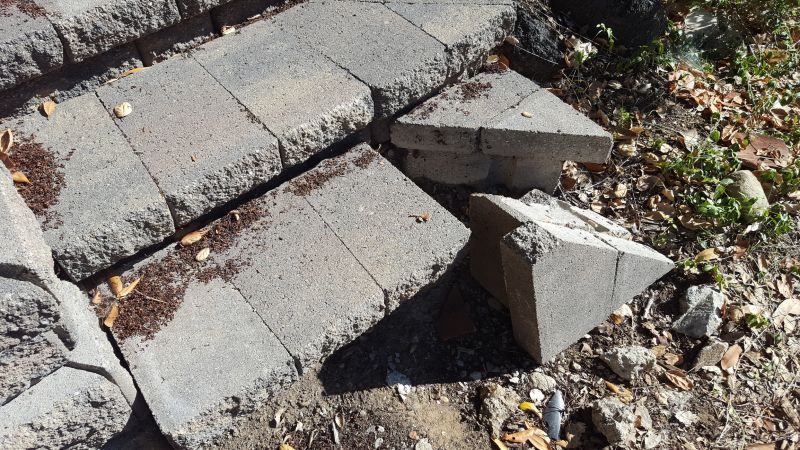
Extreme temperatures can cause expansion, contraction, and cracking.
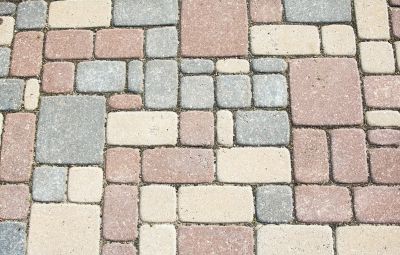
Finishes and colors that play nicely with Pavers Service.
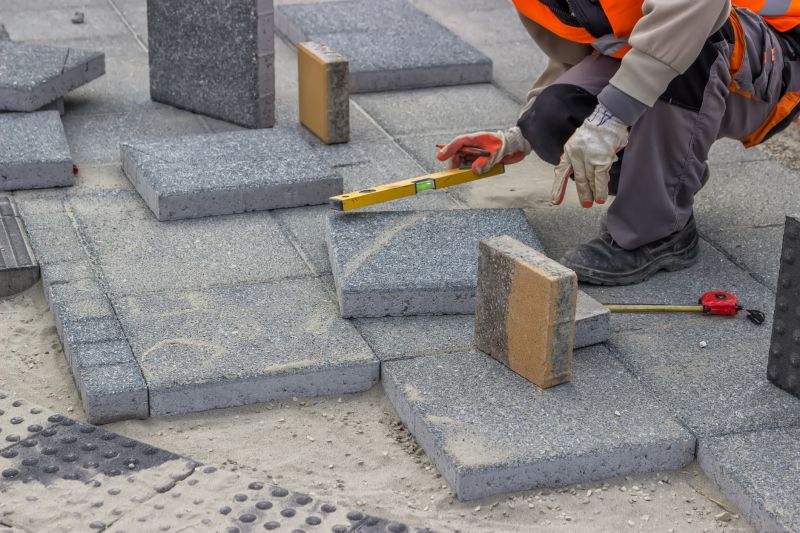
Little measurements that prevent headaches on Pavers Service day.
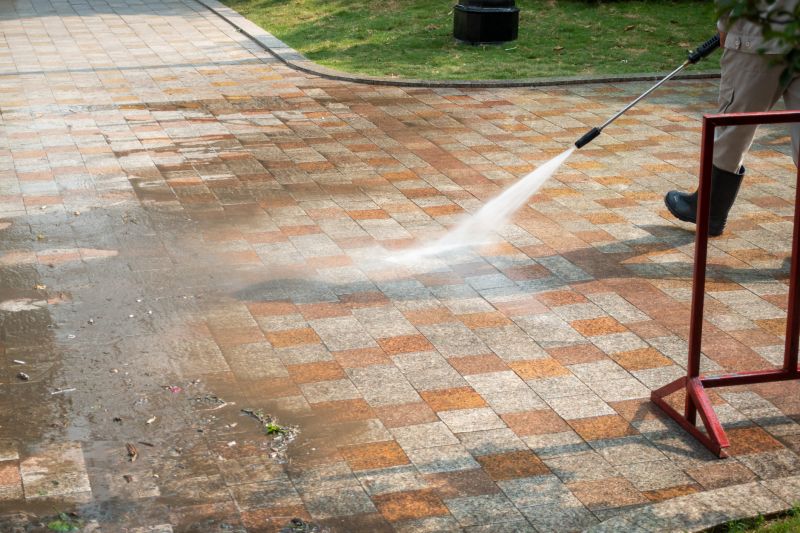
A 60-second routine that keeps Pavers Service looking new.
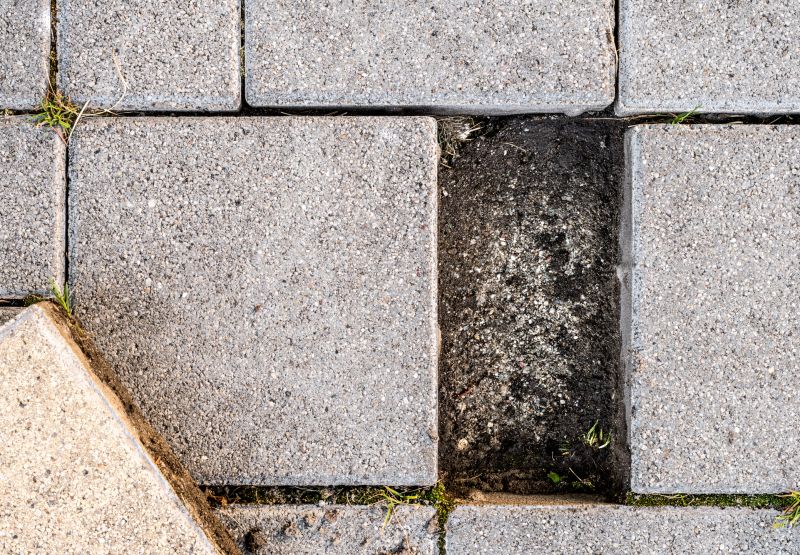
A frequent mistake in Pavers Service and how to dodge it.
Interested parties are encouraged to contact for detailed scheduling options. Proper timing of pavers service can significantly impact the longevity and appearance of paved surfaces, making professional consultation valuable for planning projects.